
Live a Unique Experience in Caño Negro
Stay surrounded by nature, birds, and peace. Explore the wetlands, discover wildlife, and feel the true Pura Vida spirit.
Nature, comfort and real local experiences
A small lodge in a unique wetland area—perfect for bird lovers, families, and travelers looking for authentic Costa Rica.
Spot incredible tropical birds
See herons, kingfishers, toucans and more with tours designed for wildlife lovers.
Explore Caño Negro by boat
Peaceful canals, lush scenery and abundant wildlife—perfect for photos and unforgettable moments.
Rest + exploration in one place
Trails, horseback rides, local culture and nature experiences around the lodge.
Want help choosing the best option for your trip? We reply fast on WhatsApp.
Choose your room in the heart of Caño Negro
Simple, cozy rooms surrounded by nature—perfect to rest and recharge.
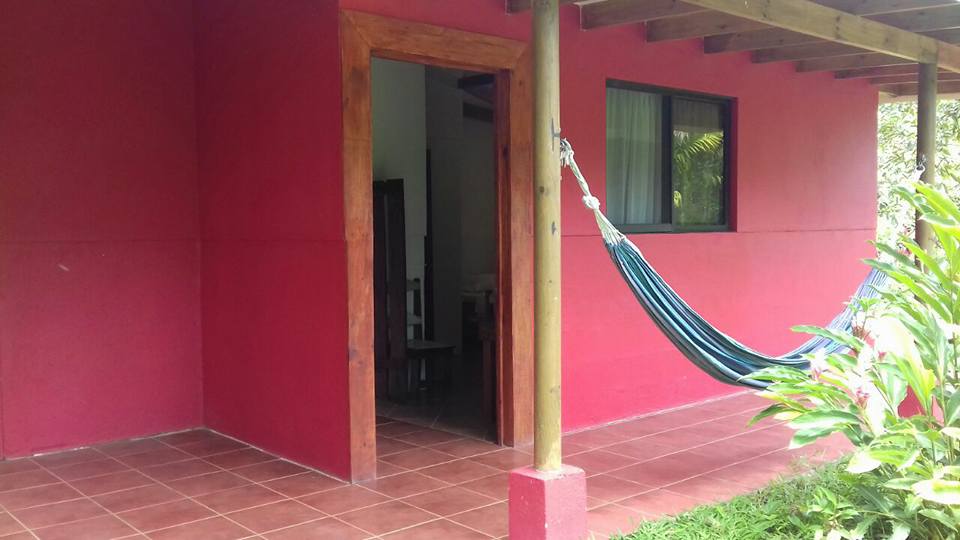
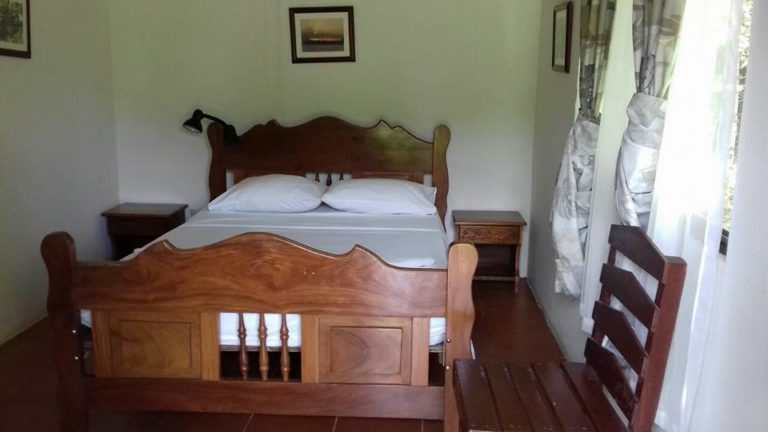
Águila Pescadora
Comfortable space with a calm atmosphere—perfect for couples.
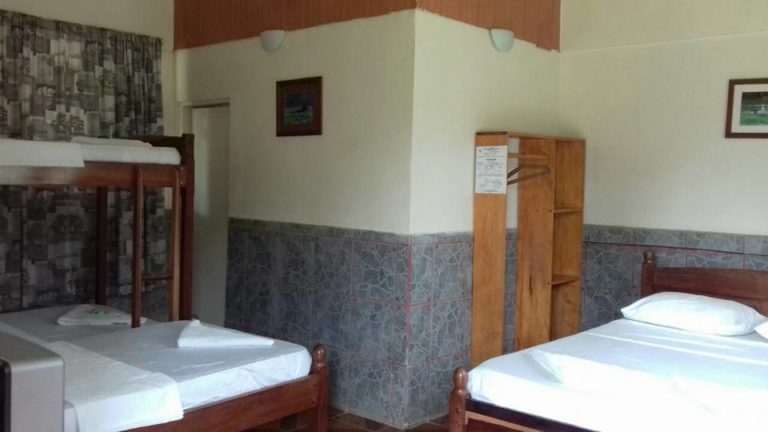
Garza Real
Simple and practical room—great for travelers who want peace and nature.

Garzón Azulado
A cozy option with a relaxing vibe—ideal for nature lovers.
Ring Kingfisher
Comfortable room to rest—wake up surrounded by birds and nature sounds.
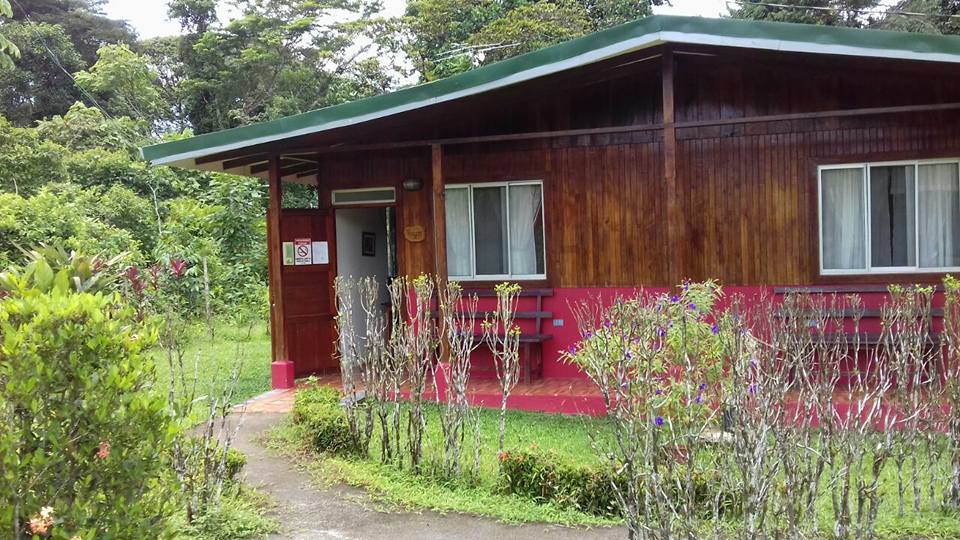
Easy to reach, unforgettable to explore
We are located near Caño Negro—one of Costa Rica’s best areas for wildlife and birdwatching. Ask us for directions and we’ll help you plan the best route.
What Our Guests Say About Kingfisher Lodge & Tours

“The staff was incredibly friendly, the boat tour was breathtaking, and the cabins were cozy and clean. Highly recommended!”

“We woke up to the sound of birds every morning. The experience was magical and truly connected us with nature.”

“Perfect for families! Great food, peaceful atmosphere, and unforgettable wildlife tours.”